

AI in Everything, Everywhere, All at Once
Walking the convention floors at CES last month, it was impossible to ignore the bigger, brighter screens, smarter cars, more intelligent home devices, and increasingly agile robots. There was a bit more of everything, everywhere, and – because of the impact of AI – it’s all happening at once.
Technologist Shelly Palmer has suggested that “2025 is the year of the realization of AI’s promise,” and it’s hard to disagree. Artificial Intelligence has shifted from hype to reality, becoming deeply embedded in consumer electronics, interactions, and commerce.
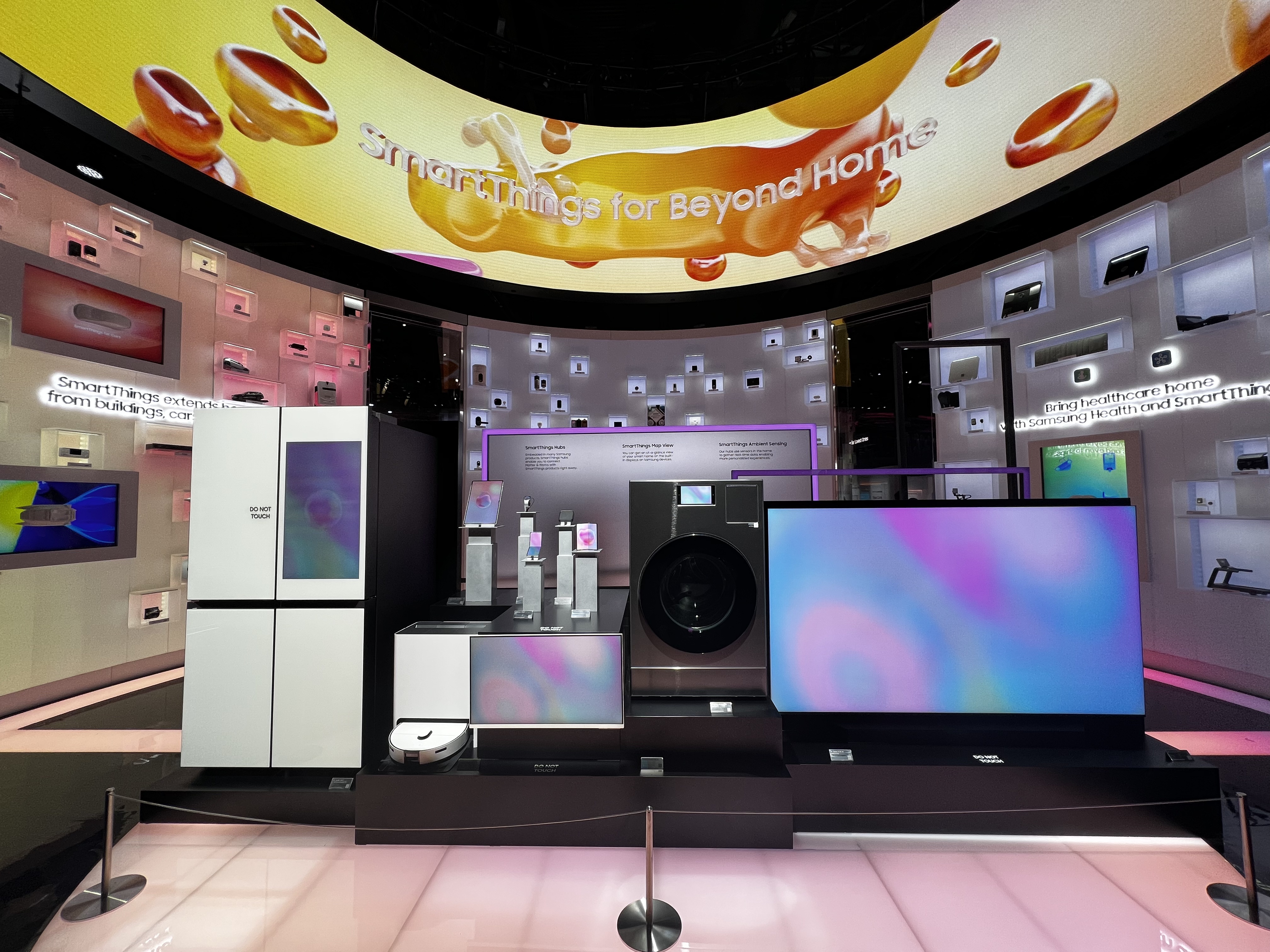
Samsung’s SmartThings Automotive now seamlessly connects EVs to broader smart ecosystems, while Richtech Robotics’ autonomous delivery robots are redefining service efficiency. Meanwhile, LG’s AI home hub and Samsung’s Home AI System illustrate how intelligent agents are integrating into everyday life, transforming how we live, work, and move.
But the most pivotal force behind this revolution is Nvidia. At CES, they launched their RTX 50 GPUs, pushing AI-driven gaming and content creation to new heights. They also introduced the Cosmos family of foundational AI models, designed to train humanoid and industrial robots, as well as vehicles for autonomous mobility. The era of agentic AI is here.
The Emergence of the Software-Defined Vehicle
The automotive industry is undergoing a fundamental shift, evolving from hardware-driven machines into software-defined experiences. Nvidia’s Cosmos AI model is at the forefront of this transformation, enabling advanced self-driving capabilities. Trained on 20 million hours of human activity footage, it generates photorealistic simulations that help self-driving cars better understand and navigate real-world environments.
By leveraging synthetic data, developers can train AI systems more efficiently and cost-effectively, reducing reliance on real-world testing. Companies like Uber are already using Cosmos to accelerate their autonomous driving efforts, while Waymo expands its self-driving taxi operations and Honda’s ASIMO OS introduces “ultra-personalized” vehicle interfaces powered by over-the-air updates.
This shift has given rise to the software-defined vehicle (SDV), where traditional metrics like horsepower and acceleration take a backseat to comfort, connectivity, safety, and sustainability. SDVs—along with their supporting ecosystems—were everywhere at CES, signaling a future where cars are more than just a mode of transport; they are destinations in themselves. Think relaxation spaces, content hubs, gaming centers, and even commerce platforms on wheels.
The New Marketing Canvas of Mobility Commerce
Mobility commerce is fast becoming a frontier for innovation, and CES showcased the technologies set to power it. Take SoundHound AI’s voice-based commerce platform, for example—it allows drivers to order food, pay for services, and access real-time data directly from their car’s infotainment system.
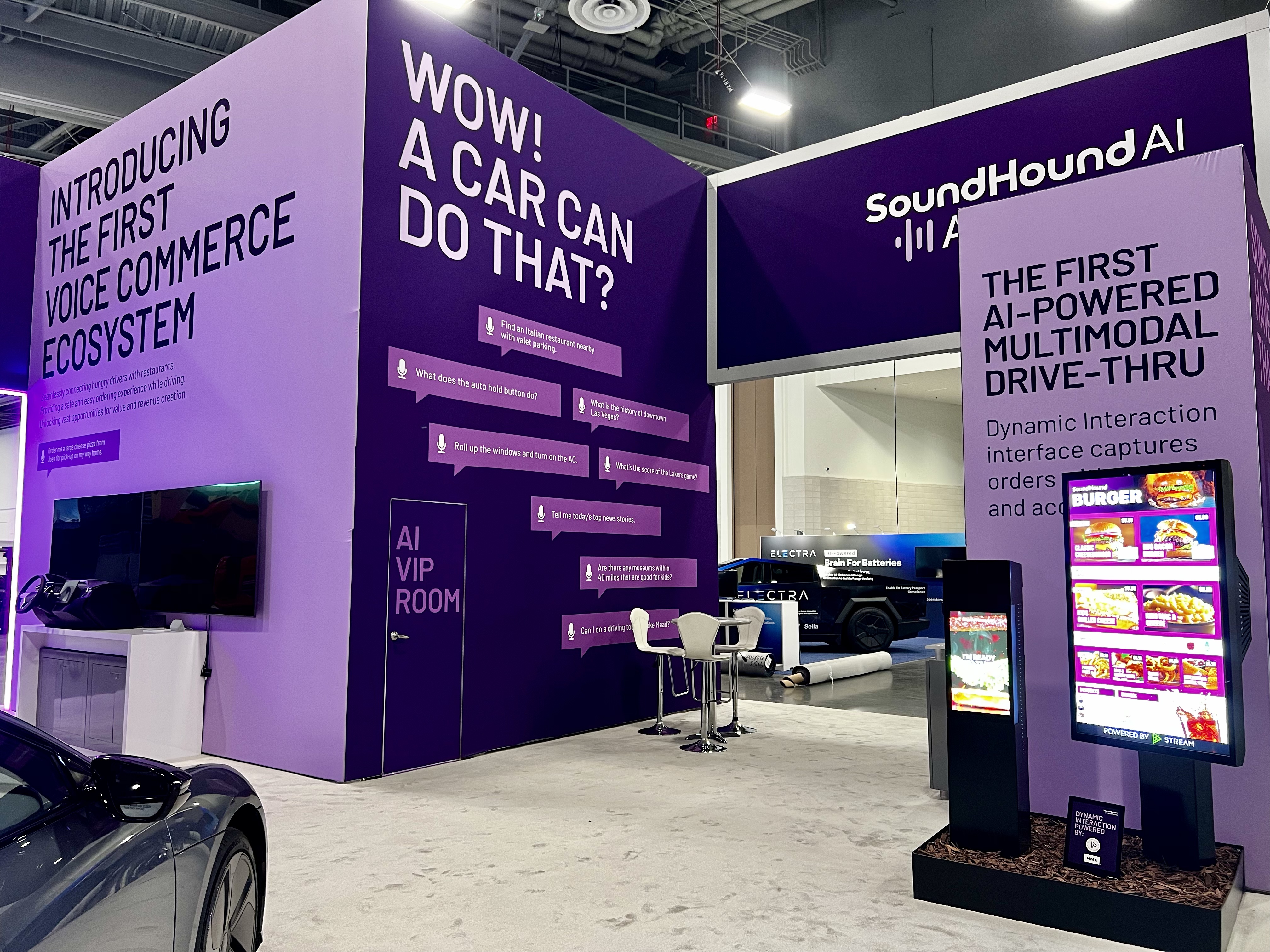
AI-powered interfaces like these go beyond convenience; they enhance the ownership experience while unlocking new revenue streams, increasing the lifetime value of car owners. As vehicles become personalized media and commerce hubs, they create fresh opportunities for brand engagement.
In-car voice assistance is also evolving into richer, multidimensional conversational experiences. The private environment of a vehicle provides a unique space for seamless content consumption and commerce through natural voice interaction. This not only enhances the driving experience but also presents new possibilities for marketing—delivering contextual recommendations and unlocking new monetization models.
Marketing in the Agentic Age
The SDV is just one example of how the agentic age—a world navigated and intermediated by AI agents—is taking shape. The marketing implications are profound.
With AI automating interactions across search, content discovery, and customer service, consumer journeys are increasingly shaped by AI-driven recommendations. Whether through home assistants, automotive voice interfaces, or AI-powered search engines, customers will increasingly rely on digital agents to make decisions for them.
For some categories and brands, this means marketing directly to AI agents. Yet, human engagement remains critical. Brands now have unprecedented tools to create Generative AI-enhanced marketing experiences, from producing high-impact advertising that was previously cost-prohibitive to delivering hyper-personalized web experiences.
AI-powered assistants and avatars can guide potential buyers through product discovery, offering dynamic, customized interactions. The ability to generate tailored content at scale will be a major competitive advantage in this new era of AI-first marketing.
The Evolution of Search and Brand Discovery
Search is evolving at an unprecedented pace, moving beyond keyword-based queries to AI-driven, solution-focused interactions. Consumers are shifting from traditional search engines to AI assistants, social commerce, and e-commerce platforms for discovery.
According to Omnicom Media Group, nearly 40% of consumers in key markets now use LLMs like ChatGPT for search, while 76% rely on platforms like Amazon. Even smart TVs are emerging as search engines, enabling users to browse content via AI-powered voice commands. Meanwhile, consumers no longer rely on a handful of trusted reviewers; they can query and analyze reviews across multiple platforms using AI.
This shift demands a fundamental rethink of visibility strategies. Traditional SEO is no longer enough—discovery now happens across a fragmented ecosystem, from social video platforms to generative AI assistants. Brands must focus on “share of model” (how often they are referenced in AI-driven search results), deploy LLM-specific tracking, and optimize structured comparison data for AI crawlers.
Transforming the Marketing Experience
The shift from SEO to GEO (Generative Experience Optimization) is just one part of a larger marketing transformation, which was on full display at CES. As homes, vehicles, and workspaces move from smart to intelligent, the entire landscape of brand discovery, purchase, and experience is evolving.
2025 is set to be a landmark year for AI, search, creator-led marketing, and innovation. As these trends redefine consumer expectations, brands must adapt their marketing strategies to align with a world where AI, personalisation, and digital-first experiences drive engagement and growth.









 MEDIATION