advertising, awarding, celebrating, co-creating, collaborating, content creating, creating, marketing

Crafted to Win: Four Approaches That Delivered Media Lions at Cannes 2025

In my most recent post I shared some thoughts on the vibe from last week’s Cannes Lions festival, and noted that: “Along La Croisette and in the Palais and everywhere in between was an industry grappling not with the future to come, but with a future that now lies behind us. The current source of unfair advantage is being able to marshal your resources – be they marketing, agency, creator, or anything in between – to leverage better than your competitors the world around you.”

That idea of marshalling what’s possible to gain unfair advantage was on full display in the awards category perhaps closest to my heart – media.

Cannes 2025’s Media Lions recognized 66 pieces of work from over 2,000 entries, with the Grand Prix awarded to Dove’s “Real Beauty Redefined for the AI Era” from Unilever. The campaign tackled AI-driven beauty standards by retraining Pinterest’s algorithm to prioritize inclusive representations, delivering brand lift and widespread engagement.

Beyond the Grand Prix, twelve Gold Lions were awarded to campaigns that the jury believed best demonstrated what’s possible with media – showing contextual understanding, innovative media thining, and platform-native creativity.

My personal highlights include Streaming Bars by Heineken, which turned Netflix ads into real-time bar experiences; Coupon Rain for the formidable Mercado Livre by the equally impressive Gut, São Paulo, which transformed news coverage into shoppable coupon moments; and the Redditor Edit for Skoda by agencies including PHD (hurrah), which co-created car features with Reddit superfans. As well as Vaseline’s Verified campaign which co-opted creators to be part of the brands marketing by verifying and rewarding their hacks, and Waitrose’s Sweet Suspicion, by agencies including MG OMD (hurrah again), which leveraged some festive whodunnit storytelling to cut through the Christmas foodie clutter.

Overall, 2025’s winning media work signals a shift toward media experiences that blur entertainment, utility, and advocacy – where effectiveness is derived from earned engagement, tech-enabled storytelling, and brand bravery in reimagining how media is planned, shaped, and shared.

Across the Grand Prix and Golds, four themes emerge. They don’t just tell us where media thinking is now – they hint at what’s possible for brands and agencies aiming to gain competitive advantage by understanding and leveraging platforms, content, and communities.

So, let’s talk about

  1. Native Platform Innovation
  2. Media-as-a-Service (MaaS)
  3. Culture Hacking
  4. Collaborative Storytelling

Native Platform Innovation

This year’s highest-awarded Media Lions work didn’t just use media space – they re-engineered the platforms they were using.

Dove’s Grand Prix-winning campaign didn’t run ads on Pinterest; it partnered with the platform to rebuild its algorithm around inclusivity. Skoda used the upvote mechanic on Reddit, enabling users to collaboratively and collectively design a car. Heineken made Netflix ad breaks contextually relevant by mirroring the show you were watching.

What these ideas all have in common is that they don’t just think of platforms as media – but as media environments with logic, language, behaviours, and levers to be understood and hacked.

Dove Real Beauty Redefined for the AI Era (Grand Prix)

Redditor Edit for Skoda by PHD, London and Leo, London

Streaming Bars for Heineken by LePub, São Paulo

Want some of the action? Don’t think in terms of ‘placements’ but in terms of ‘platform logic’. Winning in contemporary media means understanding how people behave within platforms, and building the interventions that leverage, shift, or enhance those behaviours. If the media plan doesn’t ask, ‘What can this platform uniquely do for the idea?’ – there’s a danger that you’re undercooking the opportunity.


Media-as-a-Service (MaaS)

Many of the Gold Lion winners this year didn’t just run communications – they used those comms to deliver functional value. Coupon Rain transformed football coverage into real-time discount delivery. Ziploc dynamically revalidated expired coupons if the product was in a shopper’s cart. Tata’s Rewards Bag doubled as a QR-enabled shopping assistant.

In all cases, media wasn’t a message – it’s a service, a utility layer. These campaigns served value, solved problems, and made the experience deliver something of tangible value.

Coupon Rain for Mercado Livre by Gut, São Paulo

The Rewards Bag for Tata by VML, Montevideo

Preserved Promos for Ziploc by VML, New York

https://www.vml.com/work/preserved-promos

So, some ways in to building MaaS. Media that does something is more persuasive than media that just says something. Especially in an attention-fragmented world, marketers should treat media as a delivery system for value – not just as visibility for a message. Ask yourself: how can your media plan reduce friction, add convenience, or embed utility? Consumers increasingly reward brands that solve, not just sell.


Cultural Hacking

From Heinz’s Deadpool x Wolverine mashup to Skol’s retroinfluencer Instagram hack, many of this year’s big media winners didn’t wait for cultural permission – they inserted themselves into it. These campaigns exploited timing, tone, and trends to become instantly relevant and shareable. They were less about crafting traditional narratives, and more about inserting brands into the stories that culture was already telling, and cared about.

Can’t Unsee It for Heinz Ketchup & Mustard by Rethink, Toronto

Retro Influencers for Skol by Gut, São Paulo

https://gabimarcatto.work/retro-influencers

Sweet Suspicion for Waitrose by MGOMD, London and Saatchi & Saatchi, London

So, how to hack into culture? The opportunity here is no longer in owning the narrative – but in engineering and earning relevance. How can you build teams and approaches that pay attention to, are curious about, and have a point of view on culture? Ensure that your thinking and activities are explicitly reacting to or riffing off the current vibe. Equip teams – as well as senior leadership decision-makers with the tools and confidence to listen to and react to communities and ideas.


Collaborative Storytelling

Some of the strongest Golds this year weren’t broadcast ideas – they were co-performances. Vaseline co-opted into their marketing over 450 content creators who had created Vaseline hacks. Rocket Mortgage turned a Super Bowl ad into a live singalong experience. In Colombia, an insurer let viewers buy insurance for fictional characters – with real-world policy results. These ideas weren’t passive; they required something of the audience, and rewarded participation with narrative ownership or tangible rewards.

Vaseline Verified for Vaseline by Ogilvy, Singapore

First Ever Live Commercial Crossover for Rocket by Zenith, New York, Mirimar, Los Angeles

Fictional Insurance for RCN/Prime by DDB Colombia, Bogotá

So, how to you encourage collaboration with audiences and communities? The key is in building out engagement architecture. Brands that unlock collaborative storytelling build media experiences that invite audiences in, not just push messages out. Ensure that your approach includes moments where the audience can ‘play their part’, and are rewarded for doing so.


Awards are, of course, always subjective. You might agree with this year’s juries – or see things differently. Let me know in the comments below. Ultimately, it’s part of an important process that I once described as the industry’s ‘engines of objectivity’.

Because what matters is not so much what wins what (there, I said it), but rather that we are able to collectively surface and celebrate the thinking and ideas that inform, inspire, and empower us to do the best work we can. That’s the work of Cannes.

Standard
advertising, celebrating, community-building, innovating, marketing, responding

The five-point Covid-19 Response Playbook; according to the awesome Aesop’s Bangkok

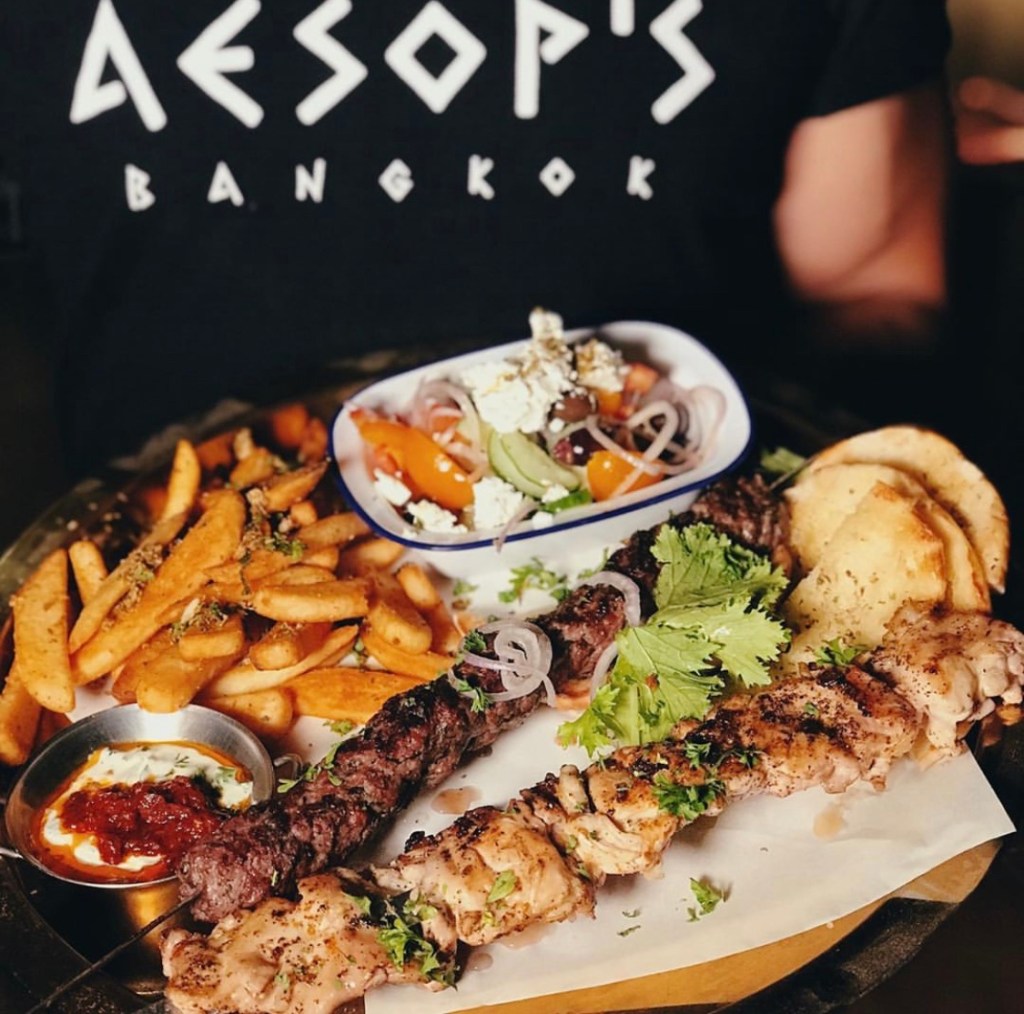
Back in the olden days when we used to get on aeroplanes and visit other countries, one of my favourite places to drop by was the awesome Aesop’s Greek restaurant in Bangkok’s Sathorn district.

The food is just the best, but so is the atmosphere, with owner (and PHD alumnus) John Gamvros, creating a shared social space with dancing, plate smashing, parties, quiz nights, and the occasional Queen singalong party (you can see why I didn’t mind stopping by occasionally).

Like many restaurants, Aesop’s Bangkok has been hugely impacted by this year’s pandemic and the shut-downs that have been introduced around the world to slow its spread.

The fall-out from the closures could be devastating to the industry: Forbes reports that – according to a study commissioned by the Independent Restaurant Coalition – the pandemic could force 85% of independent U.S. restaurants to close by the end of the year. Over on this side of the world in Japan, which is weathering the crisis better than many, that figure is reported to be around 20%.

It was most heartening then when I received, via the awesome Heather, a write up on Chope outlining how Aesop’s Bangkok responded to the challenge of Covid-19 – or, as John puts it – the ‘ronacoaster’.

The article outlines the innovative, creative and generous steps John and the team at the restaurant took to adapt and respond to the crisis. A little WhatsApp banter with John later, and I’d seen and heard what I thought was as great a Covid-19 Response Playbook as any that I’d seen.

I present to you then, the five-point Covid-19 Response Playbook – as inspired by the awesome approaches and actions of John and the Aesop’s Bangkok team.

Step One: Pivot and Operationalise, Fast

Like many restaurants, Aesop’s immediately kicked into gear re-launching their delivery product, creating a dedicated consumer-facing channel at orderaesops.com, as well as accelerating their digital marketing effort to support the platform. They also had to work with their staff to re-engineer the menu, change operations and back that up with training.

In the current moment you have to follow more then ever Nick Fury’s observation to The Cap in CA:TWS that you have to “… take the world as it is, not as we’d like it to be.” What do you realistically need to do right now to capitalise on the opportunities and overcome the barriers to driving revenues?

Now delivering Gyros

Step Two: Play To Your Strengths

Rather than reinventing the wheel, the restaurant found a way to deliver the added magical elements that made the Aesop’s dining experience so special. This included, for example, plate smashing. So the team found a way to deliver orders complete with smashable plates, so you can bring the Aesop’s dining experience to life in your own home (you presumably have to do you own in-home clearing up tho too).

Step Three: Do, Don’t Say

Actions really do speak much louder than words right now. The team built trust with the restaurant’s followers by communicating updates directly and regularly on our social media channels, and responding to specific queries and concerns.

The bigger the brand, the harder this is to do of course, but I couldn’t help but think of the contrast between the personal approach and the – much lambasted – generic response from big brands in the early stages of the crisis.

Film from YouTube creator Microsoft Sam’s supercut shows the striking similarities in the ads made in response to the crisis

Step Four: Pay It Forward

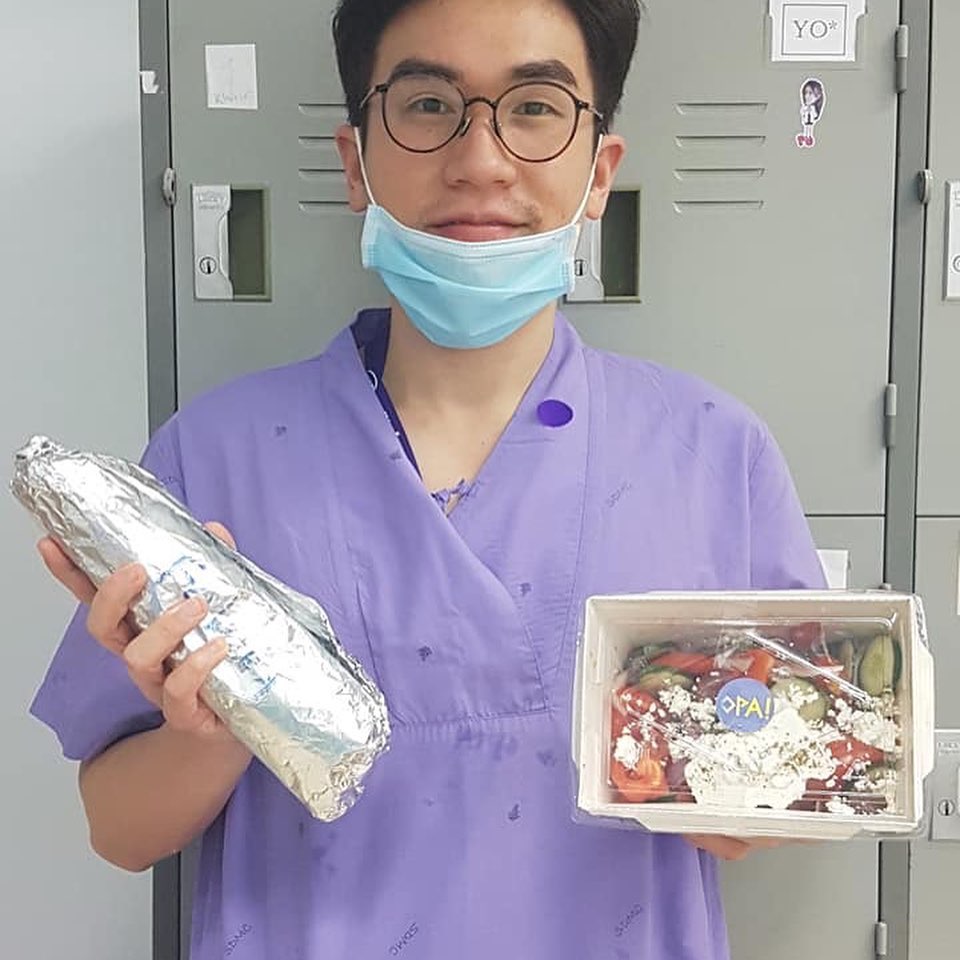
Some of the most heartening stories to have emerged from the crisis have been around brands and businesses retooling and responding by paying efforts forward, and Aesop’s were no exception. They partnered with Ramathibodi Hospital to launch Eat it Forward Fridays, providing much needed fuel to the hard working doctors and nurses on duty. For every order received, Aesop’s donates one meal to Ramathibodi hospital to feed the hospital heroes with fresh, healthy Greek food.

Step Five: Be Honest

As John describes: “… it actually takes a lot more work than you’d expect to maintain the same high standards we set in the restaurant. We have overcome it through teamwork, listening to customer feedback, and constantly tweaking things. I have been honest with my customers, I tell them we are on a journey and that we are learning as we go. More often than not they appreciate that honesty and reward it.”

I think most people would agree that we’ve all at times felt out of our depth over the last six months. Being honest with customers (and with each other) about what we are trying to achieve, along with an equally honest assessment of how we are doing in getting there, will be appreciated and rewarded in kind.

Big thanks to Heather for the share, and John and all the team at Aesop’s Bangkok for the inspiration. We’ll stop on by just as soon as we can.

Stay safe everyone.

Standard
celebrating, creating

Cannes Catch-Up: Saatchi & Saatchi + Dawkins + Meme theory = kinda crazy cool didn’t see that coming Cannes presentation

http://www.youtube.com/watch?feature=player_embedded&v=GFn-ixX9edg

so just catching up with some of the flotsam and jetsam that emerged from Cannes this year and stumbled across the above video of a session brought to you by Saatchi & Saatchi and Richard Dawkins. Dawkins was introducing the agency’s New Directors’ showcase, which their website describes as a platform for:

“The very best new directing talent, identified by our offices around the world, and through the relationships we have with key internet sites … each year we wrap the Showcase around a theme … This year’s theme ‘Just for Hits’ is a visual and oral extravaganza featuring the world-renowned British evolutionary biologist, Professor Richard Dawkins. The show connects the world of science and academia, with the world of film and the Internet.”

so there.

the showcase theme, of course, addresses an enduring obsession with the industry – getting viral success. whilst ‘planning viral’ is a contradiction in terms (you can weight the odds in your favour but I defy anyone to say they can plan that something will go viral), there can be few better academic contexts than that of Dawkins’ Meme theory, developed in the ’70s and first described in The Selfish Gene.

in that regard getting Dawkins to introduce a showcase of videos around the theme of ‘just for hits’ is a rather brilliant piece of showmanship. in Dawkins’ own words “the internet is a first-class ecology for memes to spread … going viral [was] the very phrase I used in The Selfish Gene” source – his theory is the embodiment of many marketers’ wildest dreams.

here’s a video of the Guardian’s interview with Dawkins at Cannes.

featured image via BBC

Standard
awarding, celebrating, cinema, community-building, imagining, innovating

A Counterpoint for Cannes: Lessons from the Sundance Film Festival

Sundance-film-festival

so I was listening, as is my want, to Simon Mayo and Mark Kermode’s Movie Review Podcast (which is very good btw) as they were live from The Sundance Film Festival which was visiting London. they were interviewing John Cooper, Director of the SFF who described how the festival first came about:

“Sundance … was created to find a safe haven for artists to become better and to make better cinema … then we started this thing … we called labs, which were basically workshops where filmmakers come and work on their scripts with mentors and there’s a whole mentoring process … very quickly after that [we] were making movies but they weren’t getting seen anywhere so we needed to create a platform and that was the Sundance Film Festival and that’s how it started” (source)

the festival has seen the likes of Paul Thomas Anderson, Alexander Payne and Tarantino all hone and develop their skills in an environment where risk-taking is encouraged and protected; a very different environment to Cannes or the Oscars … where the focus is on subjective judgement by peers and winning awards.

I couldn’t help but think and wish that there was a Sundance equivelant for our industry. the Cannes Festival of Creativity (which will soon see the great and good head off to the south of France for the annual networkathon) is basically our Oscars, and it has its place.

but there doesn’t seem to be a counterpoint? we don’t have a Sundance.

certainly in Australia the Media Federation Awards, like the B&T awards and Adnews awards, all follow the Cannes / Oscars template … glitz and glamour as the campaigns and ideas judged to be the best allow the people who submitted them to have a fully deserved 15 seconds in the glare of the lights.

how awesome would it be if the above quote read:

“Incubator … was created to find a safe haven for planners to become better and to generate better innovations … then we started this thing … we called labs, which were basically workshops where planners come and work on their ideas with mentors and there’s a whole mentoring process … very quickly after that [we] were creating innovation but they weren’t getting seen anywhere so we needed to create a platform and that was the Incubator Ideas festival and that’s how it started”

how awesome? very.

Standard