two seemingly contradicting reports landed this week which paint very different pictures of the state of play in the evolving world of screen usage and content watching. they both came via Stew … thanks Stew!
first up, the BBC reports the suggestion by Ofcom (the UK’s Communications regulator) that living room TV is “making a comeback”. if a 3% increase in the number of adults who watch their main TV set once a week (91% up from 88% in 2002) represents a comeback, then yes … its a comeback. well done, nice work, props etc.
also this week Omnicom’s (or Publicis Omnicom Groupe’s I suppose) Media Pulse reported a study by GFK which “suggests that millions are moving to the Internet and free over-the-air (OTA) reception … about six percent of U.S. households have completely dropped cable and satellite TV in favor of streaming-only—a trend that’s been named ‘cutting the cord'” (Source).
a new golden age of broadcast, or a digital multi-screen take-over?
both, obvs.
its no secret that screens are proliferating, Australia is at the vanguard of the changes. an Australian Multi-Screen Report from earlier this year from Oztam, Regional Tam and Nielsen indicated that 27% of Aussie homes now have each of the four screens (TV, PC, tablet and mobile phone), up from 16% last year. Smart phone uptake is up 13% YOY to 61%, tablet penetrationdoubled 2012-2013 to 31% and PVR penetration now sits above 50%.
despite all that though, the same report calculated that time spent with screens are still massively weighted towards TV. the average Aussie watches 92 hours and 29 mins of TV per month, versus 8 hours and 53 mins on the other three devices. TV’s comeback is perhaps overplayed because there’s nothing to come back from … time spent with TV, despite pretty much a decade of PVRability, has remained pretty much consistent.
so what gives? … lots of TV viewing, lots of increase in penetration of new devices, and a whole lot of multitasking and multi-screening. the real limiting factor in the entire equation is nothing to do with screens or even what’s on them … its human attention. it was Kevin Kelly who observed in Wired magazine that “the only factor becoming scarce in a world of abundance is human attention” (source) … it doesn’t take a huge leap to come to the conclusion that the real victim of screen and content abundance will be not brands per se, but those that rely solely on the broadcast interruption advertising model.
more of that on the PHDcast this week, but what all of this points to is the need for connection planning (on screens and beyond) to be done upstream in any brand planning work. integrated content solutions have to quickly become the modus operandi for how we develop communications. broadcast interruption will remain part of that integrated solution for a long time yet to come, but it can no longer be the totality of the solution.
which is why we’ll be seeing a lot more of this in the future.
I’ll leave you to ponder that, and the thought that, far from living room TV making a comeback, its advertising that needs to make the comeback. in the evolving world of screens, only one screen rules them all – whichever one you happen to be watching at any given time. there’s a clear and present opportunity to bridge attention deficit with a new generation of integrated, connected, device-specific content. it’s time for us all to step up to the plate.
I had a rather delightful serendipitous few minutes yesterday when I watched consecutively two videos on YouTube. it occurred to me that between them they rather elegantly describe the formula for communicating your position or point of view in the world right now.
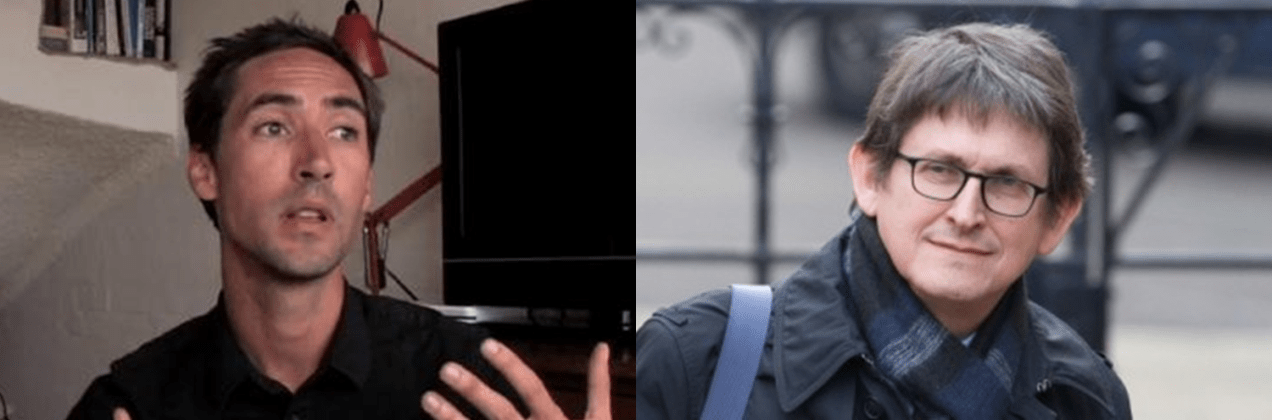
the first was the above video of a speech given by Who&Why Media‘s founder Simon Dikkenberg at the 20th anniversary of Mission Australia’s CYI. Simon (who is awesome) captured more elegantly than I would the point and power of unleasing a creative instinct:
“By becoming conscious of our stories and our ability to shape then, we learn that we can edit and redefine the great changes that impact our lives … what’s exciting is that we now live in era in which the tools to record and share our stories are cheap and easily accessible (most of us carry them on the phones in our pockets) … we all have our own battles and wars but it is the stories we tell ourselves about them that determine the positive or negative impact they have on our lives …”
Simon Dikkenberg (from the above video)
I next watched this video from The Guardian of Editor Alan Rusbridger describing the newspaper’s ‘Open Journalism’ philosophy.
it’s simple, straightforward, and elegant … yet it describes profound changes to how a newspaper goes about doing what it does. changes that by Rusbridger’s own admission are a “big barrier for journalists to get over”.
“Open journalism is about allowing a response … saying to readers ‘we want to hear from you’ … if you can have more than one view you get a better account … once you accept that then you’re into just the questions of the mechanics … we should be able to respond to them too … its being responsive to what comes into the building …
Its no good shoving a newspaper on the web, you have to be part of the web … as a result I think our journalism is much more approachable, much more diverse, much more comprehensive, much more challenge-able (which is a good thing), and just generally better.”
Alan Rusbridger (from the above video)
that second paragraph is of particular relevance and significance to comms planning – swap ‘journalism’ for brand and you get the following advice: ‘its no good shoving a brand on the web, you have to be part of the web … as a result I think [your] brand is much more approachable, much more diverse, much more comprehensive, much more challenge-able … and just generally better’.
I can think of little better advice I’ve ever heard being suggested for brands as they plan in an online, on-demand, fragmented and attention-light world.
perhaps what strikes me most is how the Dikkenberg Rusbridger formula of Create + Debate is so very rarely applied. brands of course create, but very rarely for the specific purpose of instigating debate. and of course brands debate, but often as a response to events or about their products as opposed to the communicates they create around a point of view.
yet when brands do embrace this simple formula, the results are often hugely successful – at the very least from a communications point of view. here are just a few of my favourites:
all these examples are awesome campaigns because they are credible, conspicuous and inherently contagious. and they are all those things, I think, because they followed the Dikkenberg Rusbridger formula: create the stories of your battles and debate with the plurality of views they engender.
the possibilities are staggering, as is the potential positive affect those stories could have on us all.
Heineken’s Voyage Ad, currently playing on a cinema screen near you
so last night I enjoyed a cheeky Sunday night trip to the cinema with Connerty, Jez and Fingers to see Brad take on the zombie apocalypse – which you’ll be happy to hear he did magnificently. before the action started however the above effort for Heineken played out. its a great ad – if slightly indulgent (btw if you think the 60″ is indulgent check out the ‘exclusive version’).
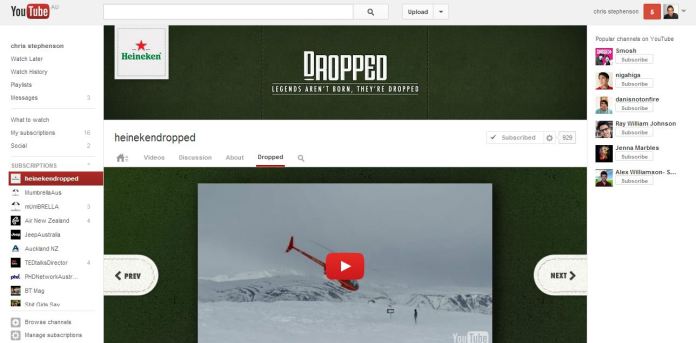
all of which is all very well and indulgent, and good on Heineken for the effort … but at the end there’s a blink-and-you-miss-it call to action directing you to www.heineken.com/voyage alongside the copy ‘legendary travelers wanted’. so having literally been called to action and after a few seconds of digging today I tracked down – via said website – another website entirely … a branded YouTube channel in fact, called Heineken Dropped:
… a content-generating, exclusive-experiencing, PR-generating platform of a thing in which guys (the site is quite clear on this aspect) are ‘dropped’ in the middle of nowhere.
adventure, of course, ensues – as evidenced by the trailer for episode one
and then in one of those frequent ‘wait for a bus’ moments I was catching up with the awesome James’ Media in Brief document from Friday (Volume 2, Issue 18 to be precise), the video of the week in which was only this little effort for Jeep by Leo Burnett Buenos Aires:
so within 24 hours a beer and a car brand both inviting me, in two very different ways, to get lost. Heineken through a competition to experience an exclusive adventure in the middle of nowhere and Jeep through a GPS that takes me on my very own individual trip to, well, the middle of nowhere.
what’s interesting (to Mediation at least) is how one territory can be explored through two very different and contrasting media models. one exclusive, the other open to anyone (presumably with a GPS and a four wheel drive) … one fulfilled through content and the other through technology … one in which nowhere is idealised and the other in which nowhere is radically accessible … and one which operates at the head of Anderson’s Long Tail and the other which thrives in the tail.
“when we describe target audiences we should be thinking of them as sitting along the above spectrum. how do we plan on one hand for the very few but valuable super-attention givers from whom a lot of the effectiveness of the media investment will derive? whilst on the other hand plan for the ‘mode’ individuals, the vast majority who will contribute the smallest amount of attention to what we have to say?”
what’s interesting is how these two platforms operate exclusively against each: Heineken creating content to be distributed to the passive massive along the tail, Jeep inviting individuals to experience nowhere for themselves. neither is, I suppose, more right than the other … but I can’t help but wonder what they have to learn from each other?
how could Heineken enable more participation in their Dropped platform, and how could Jeep amplify the individual experiences of finding nowhere to maximise reach of their investment? after that I suppose that there’s only one question … how would you prefer to get lost?
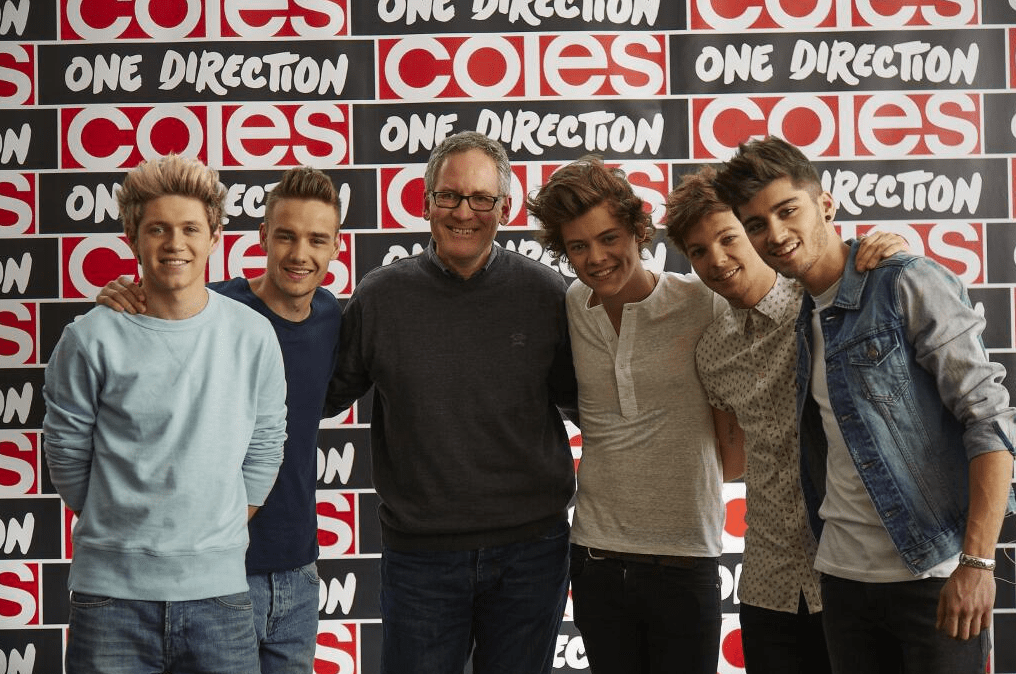
option A: partner with a major TV network to secure access to the biggest pop group in the world and give customers the chance to win tickets to an exclusive extra show. communicate this through the competition’s own dedicated website, hashtag, and social media, supported by print, broadcast and PR.
option B: make a 90 second TV ad that talks about, well, I’m not sure exactly … but I think, the value of time?
it may be harsh to call this an abject lesson in new versus traditional media thinking, but this really is an abject lesson in new versus traditional media thinking. and just in case anyone is looking for a (far from exhaustive) checklist, here it is:
create new news (don’t assume people care)
integrated the channel approach (not single broadcast solution)
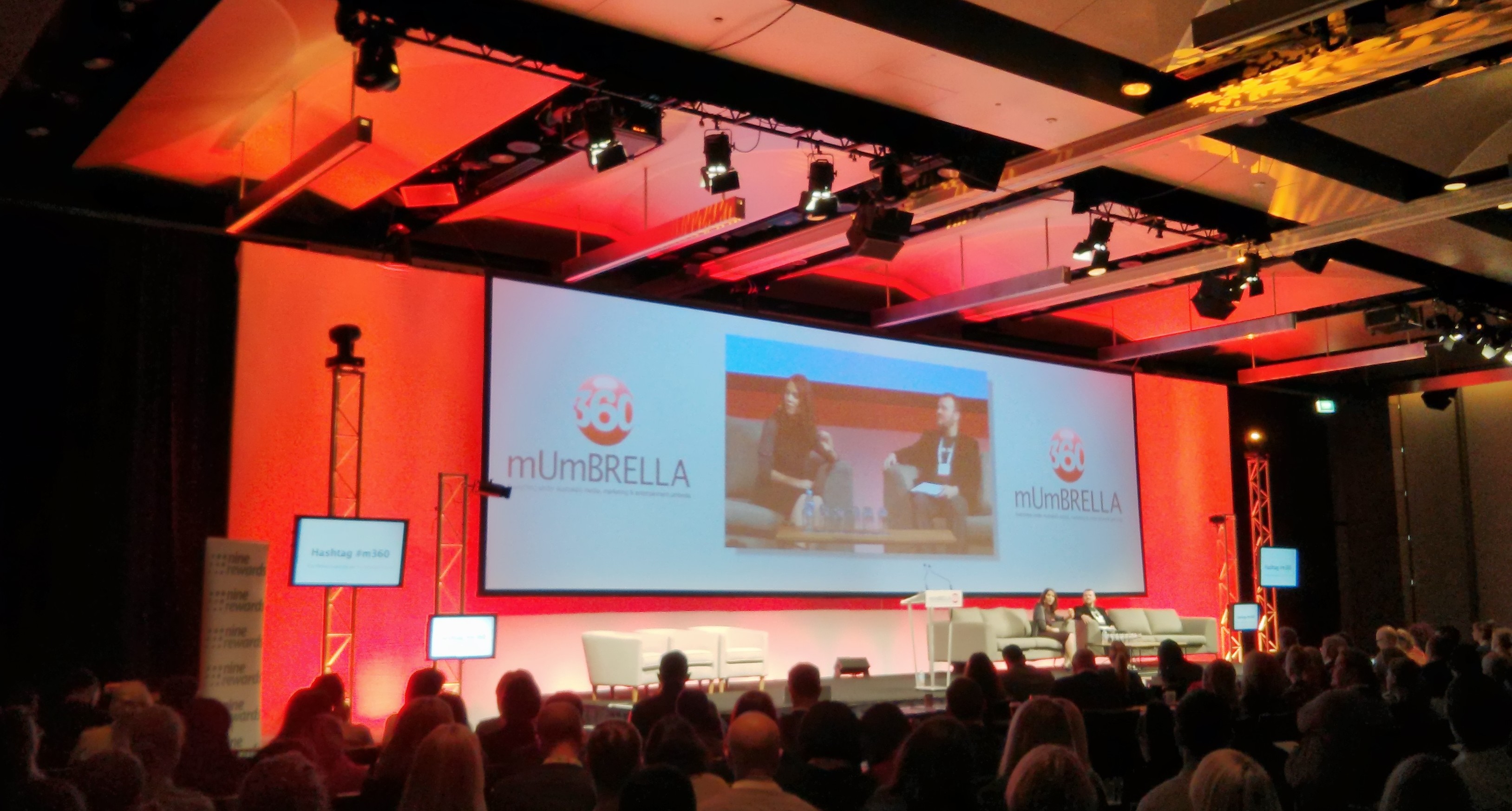
so big day two of Mumbrella360 kicked off with an awesome presentation from Twitter’s Head of Agency and Brand Advocacy Melissa Barnes.
essentially a ‘best of’ how brands are using the Twitter platform, Barnes more than delivered on her job title, as I suspect there were a great many more advocates for Twitter in the room at the end of her session than there were at the start.
I’ll save the content and examples up for a separate post, but its worth capturing here one of the key points that Barnes was making – that you have to approach and use Twitter differently, and with an understanding of what the platform offers and what its users expect.
she noted that she see’s lots of brands approach Twitter with a ‘display’ mentality, which just doesn’t work. the best examples on offer were cases where a brand had something to say, something entertaining and / or interesting to share, or, interesting, a crisis to manage. one fascinating chart in particular showed how a calm, human, humourous individual in chart of a mobile phone company’s Twitter account in the aftermath of a network outage was able to mitigate the anticipated ‘hate’ emotion you would typically see in sentiment analysis of an outage event.
… as an aside, huge thanks to Melissa who was generous enough to pop into PHD last Friday and share and discuss some of the examples with the agency … we loved the session, and I think someone may have actually swooned 😉
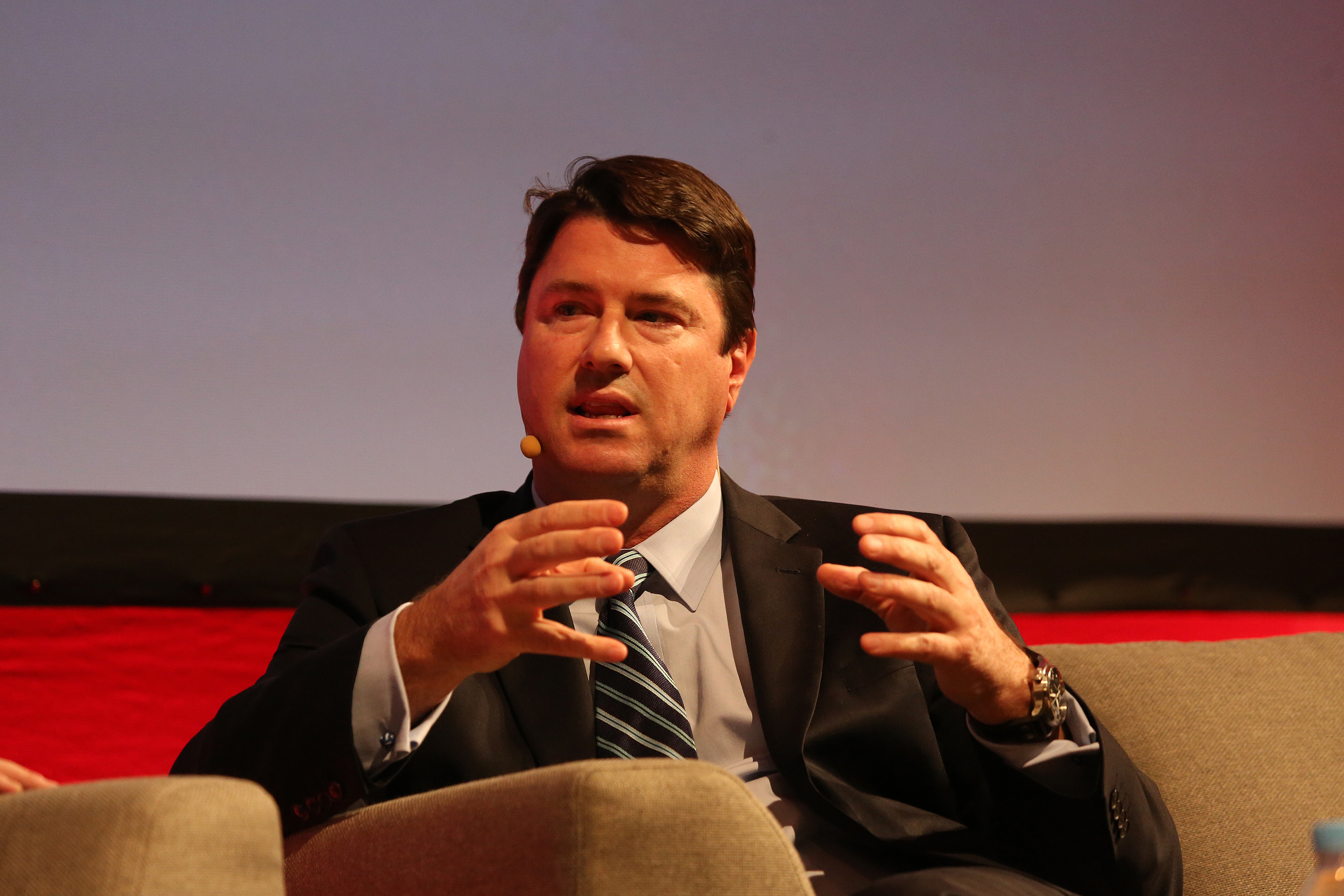
up next was the less swooney Hamish McLennan on turning around Network Ten
in a frank and fascinating discussion with the Burrowes, the boss of the struggling network discussed a strategy designed to focus on an older demo and live TV (as the latter is more easily and readily monetised) … saying that what the channel most wants to be known for is ‘the home of great event TV’.
he was frank that Ten was hurt by the advent of digital channels, and should have launched ist digital channel (11) earlier than in did, and arguably before launching One. the strategy is designed to get a fair(er) share of FTA’s $2.8bn by getting a fair(er) share of an aging demographic.
this would seem to represent nothing short of a full-scale retreat from a younger audience who, in McLennan’s own words “aren’t engaging with TV as much”. the network is looking to beat Seven and Nine by joining them in a fight for an older and more easily monetised audience. the strategy is to back off from digital channels, let alone digital platforms – which are (I suppose not wrongly) seen as the place for programme marketing more than anything else.
PHD Chief Exec Mark Coad asked about the network’s digital strategy, given the NBN (national broadband network) roll-out, but not much was forthcoming. it took a second delegate to ask a similar question to elicit the response that McLennan saw post-NBN as a “big opportunity”, the citing of the example of creating subscription channels evidence that there’s more than a little NewsCorp left in this boy yet.
I jumped into a session on The Encore Score and after lunch joined the debate on the State of the Media.
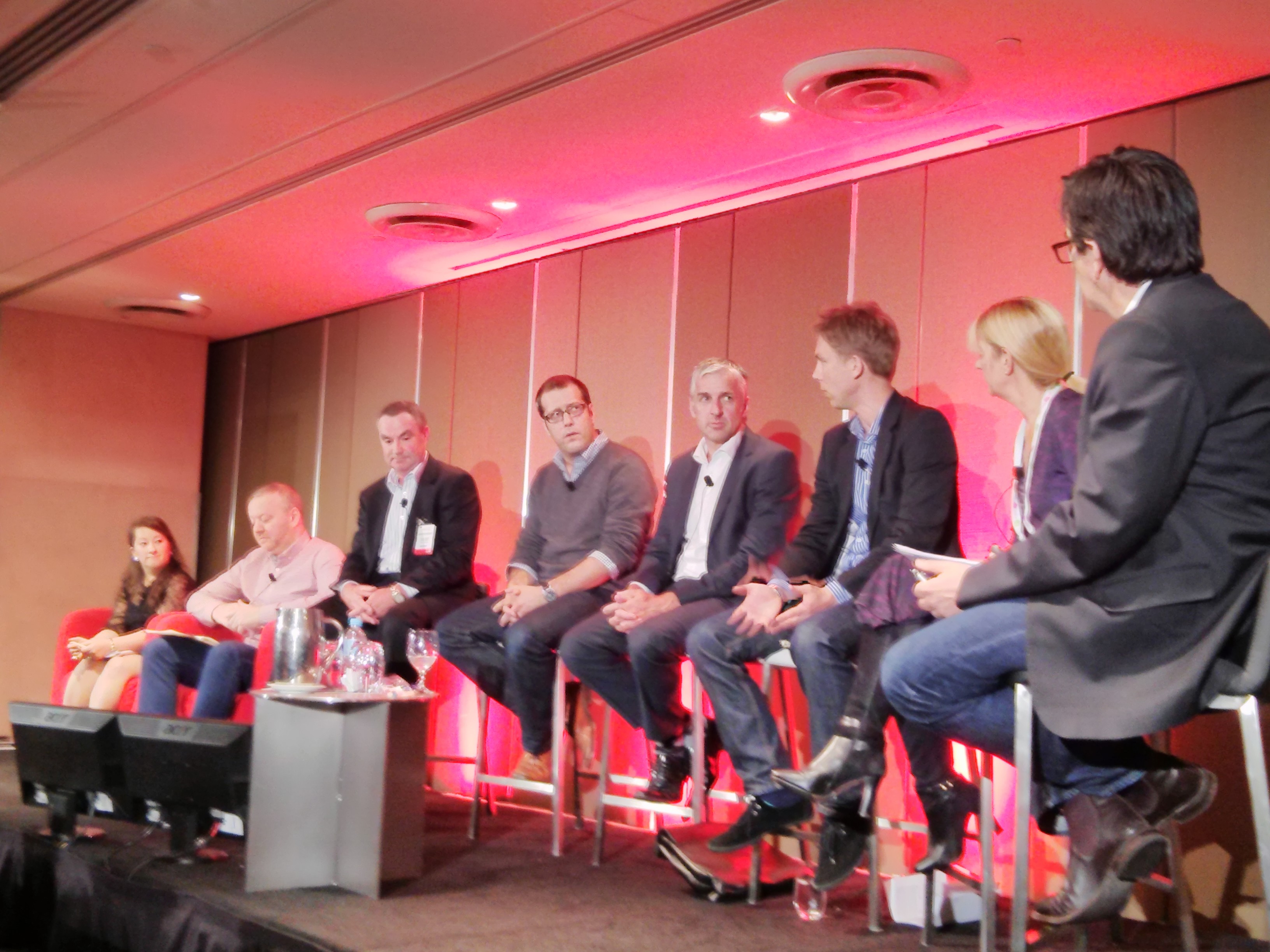
Moderated by Darren Woolley, MD at TrinityP3 and Denise Shrivell, MD of MediaScope (on the right above), the panel consisted of (left to right) Lynda Pallone, marketing services and integration manager, Blackmores; Rob Dingwall, media & marketing operations manager, Kellogg’s Australia; Chris Mort, CEO, TMS Australia; Toby Hack, MD Australia, PHD Media (woop); Tony Kendall, director of sales, Bauer; and Zac Zavos, co-founder and managing director, Conversant Media.
this was the first of two plus ça change sessions, with the debate eventually getting to some of the elephants hovering in the back of the room.
On industry relations, TH said that “industry collaboration has improved” with ZZ adding that [media owners] “don’t get enough feedback from clients and campaigns”. CM was clear that “it’s a high pressured business … If you can’t do the job with the tools you have you need to step up” [or get out]. TH on people development noted that have “a choice … to invest in people or not.”
a debate on programmatic buying led to some predictable places, most notably concern from ZZ that automation leads to commoditisation of media (which it does, because much of the time media is a commodity). TH described the two emerging centres of gravity in agencies around creativity / innovation and automation / analytics – which RD slightly misinterpreted as an agency split, which admittedly at this stage would seem a rather drastic solution.
this session also saw the revelation that industry-wide plans for a move to electronic trading have been shelved. this was first debated at last year’s 360 conference, with a panel consisting of senior agency and media owner representatives debating the subject of automation.
whilst the panel wasn’t the most warmly received (media man unmasked commented that “When you put 9 of the most senior executives in our industry in front of a room full of people who look to them for inspiration and leadership and all you get is a school yard argument it doesn’t bode well”), the point was that something was being done.
this now doesn’t seem to be the case.
one suspects that the shelving was brought to you by the letters M F and A and the numbers 7, 9 and 10 … but I won’t pre-judge. I’ll do some digging and write up anything I land on.
anyhow, back to the state of the media session … where there were a many more questions than answers. so much so that I was moved to ask a question of my own – specifically after this debate is over what happens next? who’s responsibility is it to drive the necessary change?
Darren Woolley reiterated his Golden Rule … that “the man with the gold makes the rules” … and what is the rule made by those with the gold? in a refreshingly honest comment Kellogg’s Rob Dingwall illuminated us with the admission that “ideas may not be paid for but they are valued – if you are valuable you will see money coming.”
and this is essentially the muddle we are now in … media is commoditising but clients won’t (generally) pay for the skill of planning and innovating with media. it’s seen as added value. but there’s less and less value because client procurement teams are driving down margins, so agencies seek additional revenue streams which leads to accusations of lack of transparency. and on we go.
in perhaps the most disheartening comment of the session, Blackmore’s Lynda Pallone actually said “see you all next year for the same conversation” …
… I really rather hope not.
to lift one’s spirits and to finish I’ll share some of the awesomness that is some of the great work coming out of Asia at the moment. in a session entitled ‘Unleashing the Tiger’, Peter Wilson, the retail planning director at Cheil Australia, discussed how “there is a massive step-change taking place in our industry … a new trend, where agency groups based in non-traditional markets lead the new paradigm, led by technology rather than traditional advertising.”
Wilson described the idea of Tu Hon, I’ll let the video do the talking …
Wilson suggested that central to Asia’s current creative success is down to tapping into emotion, and shared three examples. the first genuinely moved me, the second one actually elicited a tear, and the third one made me very jealous that I didn’t come up with it when I was working on a similar project a few years back:
SAMSUNG CAMERA video coming soon 😉
all brilliant examples of how, in Wilson’s words, “a happy marriage between creativity and technology are becoming the norm” … lovely stuff.
Dove’s ‘The Ad Makeover’ campaign allows women to replace ads promoing low self esteem with something a little more positive
John Hammond: You’re right, you’re absolutely right. Hiring Nedry was a mistake, that’s obvious. We’re over-dependent on automation, I can see that now. Now, the next time everything’s correctable. Creation is an act of sheer will. Next time it’ll be flawless.
Ellie Sattler: It’s still the flea circus. It’s all an illusion.
John Hammond: When we have control again –
Ellie Sattler: You never had control! That’s the illusion!
From Jurassic park (1993)
a rather interesting debate is being had over a rather innovative campaign from Dove in Australia. playing out across the fine pages of B&T is a discussion about the relative merits of a campaign that allows women to replace ads that encourage low self-esteem (shut up, we’ve all seen them) with one of eight encouraging messages, which you can share across and beyond your personal networks.
the bit that’s causing the debate is that you can select facebook keywords that you feel describe other women who you think should see the ad that you have selected. You and Dove making-over Facebook one demoralising ad at a time, but in doing so you replace – presumably – ads that would have otherwise been there.
so, obvs, this is really smart thinking. on message for the campaign and for the brand – with innovative and relevant use of the Facebook advertising platform that empowers people to engage with a brand thru media on their terms. fans all round then? no so much …
Nick Keenan, department head of implementation planning and investment at MediaCom has commented that “It’s very innovative but I think it serves Facebook and not the advertiser … at the end of the day I’m not sure what kind of surety it gives to other advertisers that are doing things with Facebook.”
this most awesome use of the word ‘surety’ kicks off a real battle between Keenan and chief executive of media agency Fusion Strategy, Steve Allen
Allen: “that’s “phooey … this is the new today … the new era for advertising and the internet is the first line of that.”
Keenan counters that “that’s completely naïve … how do you plan a schedule for that?”
back to Allen: “it’s like serving up Porsche ads to people in wheelchairs, it does more damage than good”
even Mamamia.com.au‘s Freedman chips in: “The idea of empowering women to create their own advertising landscape is a disruptive one and that always translates to the kind of cut-through required when talking to women in a very crowded market.”
as entertaining as all of this is (and it is), it reminds me of one of the key reasons that I started and continue to write this blog. we live and work between two worlds; our media past and our media future. the debate being played out is between stalwarts of those two worlds, as the language used suggests.
Keenan is arguing that people’s actions will disrupt bought media impacts. like leaving the room in an ad break to make a cup of tea, or turning attention down to the tablet when the ads come on?
Allen argues that people know what brands they know and only want communications from those brands (“you are better off allowing consumers to select what they want, rather than to try and force them into things. Your impact is going to be much more valuable if they are people that want to know about your kind of product or brand. They are going to be receptive to it”) … which one could argue, and I would, leads to a rather myopic experience of brands and media.
for my twopenneth, its a debate about control, and the illusion that we ever had it.
media schedules are amazing things. I really mean that. to an experienced practitioner a brilliant schedule can sing. it can tell stories and decribe audiences and ideas and phases and roles of media. it can articulate behaviours and pinpoint the most intricate nuances of what a planner is seeking to achieve.
but a schedule can never control what people consume. that, to paraphrase Ellie Sattler, is the illusion. a schedule may be the sheet music but it needs people to play it. this is the illusion that we have, or indeed ever had, control.
that illusion is the great trap of applying 20th Century media planning in a 21st Century media landscape. Facebook isn’t like TV, and within a few years TV won’t be like TV either. the rules may not have changed as radically as Allen suggests, but they have changed.
we’re all of us fighting a war for attention, kudos to Dove for developing such a smart weapon for getting it.
all quotes from ‘Ad industry in flap over new Dove app article’ on B&T
disclamer: I don’t work for Unilever or Dove but I did pitch for their business last year and enjoyed the process very much
so I’ve been roused from a bit of a blogging famine (not self-imposed) by the surfacing of a rather remarkably brilliant bit of storytelling on two fronts by The Guardian. on one hand, the above is (nice one BBH) a wonderfully articulated ad showing what journalism looks like in the second decade of the 21st Century. the second element of storytelling however relates to The Guardian product itself – and this is where it gets a lot more interesting…
because whilst other newspaper titles have faced a digital-fuelled funding crisis by (delete as appropriate) building pay-walls around existing content / attacking aggregators such as Google / devaluing their brand with ongoing price promotions / bundling subscriptions / creating much-hyped tablet-only titles / add as appropriate – The Guardian has quietly gotten on with doing three things rather well.
one, they’ve developed genuinely channel and delivery-neutral platforms for their product. two, they’ve defended investment in content. three, they’ve introduced and demanded fair pricing for their product.
there are people better qualified than me (The Guardian themselves for one) to comment in more detail about the specifics and implications of these endeavours to their title and the wider journalism category. what interests Mediation is how these three principles apply to brands per se. because those exact things that The Guardian has done so well should be top of the agenda for every brand and client right now.
one – channel and delivery-neutral platforms
for all our talk of bought earned and owned and platform neutrality, we still have some way to go to break the last remnants of the broadcast disruption advert model. ‘make an ad and get it seen’ is still for too many situations the default option.
our focus should be on a brand’s business challenge or opportunity, not on default bought media solutions. channel-neutral is now easily a decade-old idea, and it feels almost retro to talk about it with even a degree of reverence … but new pressures can fuel flights to perceived safety – flights that more than ever need guarding (appropriately enough) against.
two – investment in content
from podcasts (oh my beloved MediaGuardian podcast) to video to applications and beyond, The Guardian’s story is not just one of investing in content, but of investing in content despite a reduction in revenues as digital impacts cannibalised (traditionally more profitable) print impacts. there was no retreat, no back-pedaling, no compromise in the investment nor distribution of content.
here too brands can learn. new models are more content hungry than old ones. in short they require much more than 30″‘s worth of content! longer-form video, multi-platform, often generated in real time and in response to a brand’s activities are essential if a brand is to capitalise on and exploit the opportunities that new models present. will it cost more? perhaps. will it return more? perhaps? will you get left behind if you don’t. absolutely.
three – fair pricing for that content
I’m not suggesting that brands start charging for people to engage with their communications (although Apple seem to do quite well in monetising the best ads they ever made in the form of a retail space that isn’t a retail space). rather brands need to acknowledge that for many people the old contract has evaporated…
the contract stated that in return for free content, a brand can interrupt that content as long as they entertain or inform us whilst they do it. for many this simply no longer plays, or indeed pays. The Guardian increasingly, I suspect, relies on a model not dissimilar to an iTunes set-up – simple easy small payments that allow people to access the content they want, when they want it, where they want it. many people are prepared to (micro) pay to do so.
brands face a similar challenge. what are the new contracts you can form with the people with whom you want to connect and engage. what are you offering in return for their attention? value, usefulness, entertainment, information, inspiration? to say that continuing to offer an interuption that communicates what your business believes people should know, hardly seems worth dignifying with a debate.
there’s two last things that brands can learn from The Guardian’s predominance in their field. firstly, let people in – whether its helping to devour MPs expenses data or teasing people to piece together a story that a super-injunction prevents them from reporting, The Guardian isn’t just better by having people be part of the debate, they are – just like brands – increasingly dependent on it.
and secondly, this reporter of fairy tales stands for something. as a brand, as an organisation, as a business, they understand why they exist in the world. they can articulate why the world needs them. and rather than telling people that, they show them…
there is no more powerful navigator for this new world than to have built into your DNA a compass telling you every day in every way which direction to take.
its tempting to say stop the world and ask to get off. to that, I say not by the hair on my chinny chin chin would I want it any other way … keep up the good work Guardian.
breaking news courtesy of @mrbenjaminlaw of twitter fame (thanks Benjamin and Mimi), suggests that the above rather excellent and marvellous ad for Australian marriage equality has secured enough funds to be broadcast on national TV this weekend.
the GetUp! campaign website notes that “this weekend, delegates at the ALP National Conference will be voting on whether to make it their policy to end marriage discrimination. This video has already reached nearly 1,000,000 people — but a national TV campaign this week would reach double that again, and really put the pressure on!”
mission, it would seem, accomplished. the ad will air over coming days in Sydney (Channels 9/10), Melbourne (7/9/10), Adelaide (9/10/SBS), Perth (9/SBS) and Brisbane (SBS).
what’s interesting from Mediation’s point of view (personal agenda aside) is the total reverse of the media model. from “fund an ad on broadcast TV > start conversation and debate > affect change” to “distribute content online > galvanise support and fundraise for broadcast > affect change” … the goal remains the same, but (1) the conversation comes first and (2) broadcast becomes an end-point not a starting point.
interestingly broadcast becomes that end-point funded by the grass-roots community – TV not as passive distributor of message but rather an active signal to decision-makers that enough people care enough about this cause to fund its deployment in a broadcast public forum.
it’s important that this ad is on TV. it’s important because of the signal it sends to said decision-makers, but also because it will ensure the important message that it contains reaches people who – because of the echo-chamber effect of some online networks – wouldn’t otherwise see it.
online networks have brought powerful, timely and positive changes to how we communicate – but broadcast retains it’s potent ability to reach all of us. and, thanks to the efforts of GetUp! and its supporters, it is all of us who will be reminded that It’s Time for mariage equality this weekend.
this weekend a grass-roots community is, for one minute and fifty six seconds, taking TV back … and our TV is the better for it.
“Several years ago in the video game industry the big buzz word was “transmedia”. it was a term that was coined for original worlds and properties that spanned multiple venues, from the game to the TV series to the movies to the books. everyone was aflutter with this idea; these mega properties were going to dominate the entertainment landscape and change how we consume media.
flash forward to now and it’s clear that very few studios were ever able to pull off this “holy grail” of world development. budgets skyrocketed and very few wanted to take a gamble on building a new world. Ubisoft, however, pulled this off with Assassin’s Creed, and they did it with flying colours.
let’s face it – we live in a digital and connected world. a distracted world. there are always multiple things vying for our attention, be it social media or mobile devices. in this era creatives need to craft games and worlds that gamers “marry” not ones that they casually “date”. there are numerous ways to accomplish this, but one of the best ways to do it is to make a game world that is so extraordinarily deep that it takes an army to sort through all of the facts and details. the world of Assassin’s Creed is one that is easy to get into but can take years to fully understand and appreciate.”
Cliff Bleszinski – Design Director, Epic Games
it’s strange reading the above commentary outside of a media planning text, the parallels are so similar as to be striking … “buzz word was ‘transmedia'”, “change how we consume media”, “a digital and connected world. a distracted world” …
Bleszinski’s comments were written for the prologue to the Assassin’s Creed Encyclopedia, a beautifully designed hardback book included as part of the Animus Edition of Assassin’s Creed Revelations.
Ubidoft’s unboxing video of Assassin’s Creed Revelations Animus Edition and images from the Assassin’s Creed Encyclopedia: careful, spoilers alert
that games now come with encyclopedias may be news enough for some readers, but the fact that Assassin’s Creed does (in fact there’s an audio CD and a short movie in the Animus too) bears testament to just how evolved some game worlds now are.
evolved, and big business.
a Guardian article last week reported that Call of Duty: Modern Warfare 3 had set a five-day worldwide sell-through record, with sales of more than USD $775m. it went on to comment that “the number also far exceeds the opening revenues from any movie or album release in 2011 – the biggest film of the year, Harry Potter and the Deathly Hallows Part 2, made $202m in its first five days. It is likely that Modern Warfare 3 will join the select group of £1bn-grossing entertainment properties by Christmas.”
some digging courtesy of the same article notes that DFC Intelligence puts the 2010 global games industry figure at USD $66bn, whilst the LA Times puts the 2010 global cinema box office figure at USD $31.8bn and eMartketer estimate recorded music revenues at USD $35.1bn. games win. by a long shot.
the article ends however by observing that total reach of cinema far exceeds that of games, and comments that “Call of Duty: Modern Warfare 3 is big, that’s for sure, but as a mass cultural event, it still has a looooong way to go” … the fact that this observation is disputable aside (include social and casual gaming and there’s plenty of examples of games with scale and ‘cultural event’ status – Angry Birds anyone?), the difference between movies and gaming audiences is a reflection of the difference in the type of content/context between movies and gaming.
movies are inherently lean-back, immediate and assessable. games (casual and social aside) are inherently lean-forward, immersive and require time, effort and energy. it’s no surprise that the former has a bigger audience footprint than the latter, but that the latter generates significantly higher revenues per head than the former…
what’s interesting from a media planning perspective is the choice that it presents – ask yourself what context/content we in the advertising and communications industry generally create? is it lean-back, immediate and assessable … or lean-forward, immersive and demanding of our time and energy. advertising was born and grew up in the mass-broadcast era – its no surprise that we predominately not only produce in movie-mode, but have extensive metrics and marketing theories (Byron Sharp anyone?) to prove its validity.
and yet we know we have to move on.
we take our content and we re-purpose it. we’re media and channel neutral, we create experiences and promotions and we socialise and innovate around our movies. we create the games of our movies.
and in doing so we’re missing a huge opportunity. because Assassin’s Creed and games like it don’t create games from movies (that would inherently limit their scope – search for ‘successful movie-based game franchises and you’ll see what I mean) … Assassin’s Creed creates movies from games, and more specifically, from an imagined world in which that game is set. they start, always and every time, with an immersive and lean-forward content/context – after which spinning out lean-back immediate content is childsplay.
the point is that we have a choice. stay as we are – create in movie mode and spin out the immersive and engaging game stuff off of the back of it … or we can decide to more often start in gaming mode. what world do we want to create? what are it’s rules and stories and mythologies? (all brands have them – we just don’t think of them in these terms) … then how do we create lean-forward, immersive and rewarding ways into our worlds? and then, and only then, how do we create content – of thirty seconds or three hours duration – that expands the penetration of our worlds, and of our brands, via more immediate and assessable means.
it’s harder to do. it’s expensive to fund. it’s difficult to measure. and it takes longer to produce. but that’s our choice … and as anyone who has ever completed a game will tell you – it’s more than worth it. speaking of which…
we watched and discussed the above case study (or a version of it) at our weekly plannery-type meeting a few weeks back. whilst the tone of the discussion was generally positive, there was a nagging persistent line in the debate that went along the lines of “we’ve been here already, seen it before, done it now, enough already, time to move on” …
and it kinda bothered me, because here we have a brand that, rather than resting comfortably in the knowledge that it is generating awareness through sponsoring a property, is investing time and energy in using that platform to create experiences that can more deeply engage and entertain us. and there’s a very real danger that our response is: “meh” … would we really rather that they had done this?
would we really rather that Skoda had invested time and energy in thirty second ads that they could broadcast at us with the intention of interrupting us?
or what about this effort for Yeo Valley from Blighty that broke a few weeks ago in the first live X-Factor final…
on the UK’s apparent emerging yogurt wars (who knew) – of which this above is no small part – JVW makes an interesting point in a post on his Smithery blog:
“…on a slightly more thoughtful note, I think it’s part of a slightly worrying, one-dimensional train-of-thought in agency land; the push for the ADVERSPECTACULAR, the greatest song and dance show it’s possible to put on in thirty seconds … (Although better in sixty. Though, actually, it only really works as a ninety…)”
JVW’s valid point is that the entertaining ante can only be upped so much before we all collectively explode in a blast of entertainment on-upmanship that destroys us all. but surely efforts to entertain, or educate, or be useful or create experiences – as opposed to just reach or interrupt us should be applauded?
I care a lot less that Skoda are following in Mini’s gamification footsteps than I care that a dozen other car brands aren’t trying to connect to me on my terms. and I care a lot less that Yeo Valley are pushing the envelope on entertaining us than I care that a hundred other FMCG brands aren’t.
a discussion with the awesomness of Nicola prompted her to make the smart observation that we have higher expectations of the different. we expect more from the new. we demand better from the alternative. and we judge the next infinitely more harshly than we judge the now.
part human nature, part the position media planning finds itself in as we settle into the 21st Century and part the pressures imposed by the collective jizz-fest of international awards … the danger is that we quite simply and quite wrongly carry a weight of expectation of brands and planning that tries to do different.
we let a thousand really quite average communications pass us by every day without a whimper, and mutter ‘meh’ at the next iteration of doing different. when we should be celebrating… every breakout, every brave investment decision, every do different, every ‘no one’s done it this way lets go’, every sledge-hammer taken to category grip conventions, every ‘why didn’t we think of that?’ and every ‘why not’ not ‘why’ should be a badge of honour for our industry.
the weight … the hate, of our collective expectation should be directed not at the brands that try to do different, but at those that don’t.
here’s that other yoghurty adventure should you be interested in taking sides in those yogurt wars … really though, the yogurt wars – yogurt brands are at war, just with each other and all, but still, who knew!?






 MEDIATION